Best Water for Coffee and Espresso: The Complete Guide
You can buy the best beans on the planet, dial in your grind to perfection, and invest in a top-tier espresso machine — but if the water going into your brew is wrong, none of it matters. Water makes up roughly 98% of a cup of drip coffee and about 90% of a shot of espresso. It is the single most overlooked variable in coffee quality, and getting it right can completely transform what ends up in your cup.
This guide breaks down exactly what makes water good (or bad) for brewing coffee, what the Specialty Coffee Association recommends, the types of water you should and shouldn’t use, and how different filtration methods stack up. Whether you’re pulling espresso shots at home or perfecting your morning pour-over, this is everything you need to know about water and coffee.
Why Water Quality Matters So Much for Coffee
Coffee extraction is a chemical process. Hot water dissolves soluble compounds from ground coffee — acids, sugars, oils, and bitter compounds — and the mineral content of that water determines which compounds get extracted, how quickly, and in what proportion. The right mineral balance highlights sweetness, enhances body, and brings out the bright acidity that specialty coffee is known for. The wrong mineral balance produces a cup that tastes flat, sour, bitter, or muddy.
Two cups brewed with the same beans, the same grinder, and the same method can taste wildly different if the water is different. That’s why your favorite coffee shop might taste better than your home setup — they’ve likely dialed in their water.
The Key Water Variables That Affect Coffee
Total Dissolved Solids (TDS)
TDS measures the total concentration of dissolved minerals in water, reported in parts per million (ppm). It includes calcium, magnesium, sodium, bicarbonates, chlorides, and other trace minerals. Think of TDS as a quick snapshot of how “mineral-heavy” your water is.
The Specialty Coffee Association (SCA) recommends brewing water with a TDS between 75 and 250 ppm, with a target of around 150 ppm. Water below 75 ppm tends to under-extract, producing thin and sour coffee. Water above 250 ppm over-extracts, pulling out bitter and chalky flavors while also accelerating scale buildup in your equipment.
TDS is a useful compass but it doesn’t tell you the full story. Two water samples can have identical TDS readings but completely different mineral profiles, which means they’ll extract coffee very differently.
Calcium and Magnesium (Water Hardness)
These are the minerals that do the heavy lifting during extraction. Calcium bonds with acidic compounds in coffee, enhancing tangy and fruity notes. Magnesium binds to flavor compounds that contribute sweetness and aroma. Together, they give your coffee body and depth.
The SCA recommends calcium hardness of 50 to 175 ppm CaCO3. Too little hardness means weak extraction and flat flavor. Too much hardness means bitter, heavy-tasting coffee and limescale deposits that can destroy espresso machines over time.
Alkalinity
Alkalinity is your water’s ability to buffer (neutralize) acids. The SCA recommends alkalinity of around 40 to 75 ppm CaCO3. This matters because coffee is naturally acidic, and alkalinity determines how much of that acidity comes through in the cup.
Low alkalinity lets bright acidity shine — great for light roasts. High alkalinity mutes acidity, which can be helpful for dark roasts but will make light roasts taste flat and lifeless. It’s a balancing act, and getting the alkalinity right is arguably more important than hitting a specific TDS number.
pH
Water with a neutral pH around 7 is ideal for coffee brewing. It allows the natural acidity of the coffee to come through without the water itself introducing unwanted sourness or bitterness.
Chlorine and Chloramines
Municipal water treatment adds chlorine (or chloramines) to kill bacteria, and even trace amounts can create off-flavors in coffee. You may not taste chlorine in a glass of water, but it becomes more noticeable when that water is heated and used to extract delicate coffee compounds. Removing chlorine is one of the easiest and most impactful improvements you can make.
SCA Water Standards at a Glance
| Parameter | SCA Target | Acceptable Range |
|---|---|---|
| TDS | 150 ppm | 75–250 ppm |
| Calcium Hardness | 68 ppm CaCO3 | 50–175 ppm CaCO3 |
| Alkalinity | 40 ppm CaCO3 | 40–75 ppm CaCO3 |
| pH | 7.0 | 6.5–7.5 |
| Sodium | 10 mg/L | At or near 10 mg/L |
| Chlorine | 0 mg/L | 0 mg/L |
| Odor | None | None |
| Color | Clear | Clear |
These standards were developed through extensive research and are used by competition baristas, specialty roasters, and high-end cafes worldwide. For the home brewer, they serve as a reliable target to aim for.
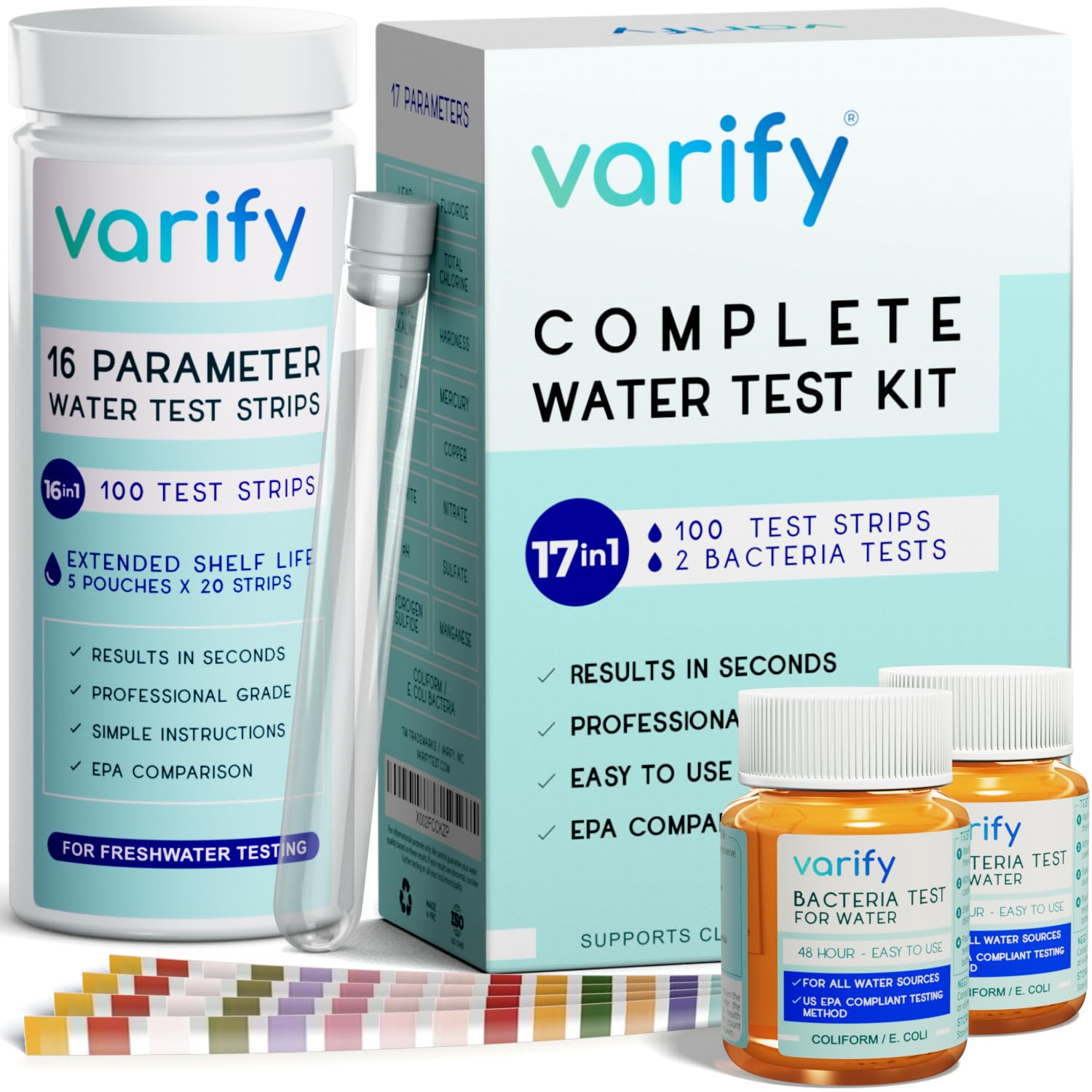
Click For Water Test Kits
Types of Water and How They Affect Coffee
Tap Water
Tap water quality varies enormously depending on where you live. Some regions have naturally soft, low-mineral water that’s close to ideal for coffee. Others have extremely hard water loaded with calcium, magnesium, and other dissolved solids. Tap water almost always contains chlorine or chloramines from municipal treatment.
If your tap water tastes clean and has a TDS between 75 and 200 ppm, a simple carbon filter to remove chlorine may be all you need. If your tap water is very hard (above 250 ppm TDS) or very soft (below 50 ppm TDS), you’ll need more advanced filtration. A cheap TDS meter (around $10–$15 online) can tell you where your tap water falls.
Distilled Water
Distilled water has virtually zero mineral content — typically 0 to 5 ppm TDS. It should not be used for coffee on its own. Without minerals, the water extracts too aggressively, pulling out harsh bitter compounds before the desirable flavors have time to dissolve. The result is thin, sharp, acidic coffee with no body.
Distilled water can also damage equipment over time. Mineral-free water is slightly corrosive and can leach minerals from metal boilers, heating elements, and internal components of espresso machines.
However, distilled water is an excellent starting point if you plan to add minerals back in using products like Third Wave Water mineral packets or an RO system with remineralization.
Reverse Osmosis (RO) Water
Reverse osmosis systems push water through a semipermeable membrane that removes up to 99% of dissolved solids, contaminants, chlorine, and heavy metals. The resulting water is extremely pure, usually measuring somewhere between 10 and 25 ppm TDS.
Like distilled water, straight RO water is too pure for good coffee. It under-extracts, produces flat and lifeless cups, and can erode equipment. But RO water that has been remineralized — either through a built-in remineralization stage or by adding mineral packets — is widely considered the gold standard for coffee water. It gives you a perfectly clean slate to build the exact mineral profile you want.
We cover this in much more detail in our full guide to reverse osmosis water for coffee and espresso.
Bottled Spring Water
Some bottled spring waters land in the ideal TDS range and can produce excellent coffee. The key is checking the label for mineral content. Look for water with a TDS between 75 and 150 ppm and a balanced profile of calcium and magnesium. Brands like Volvic (around 130 ppm TDS) are often recommended by coffee professionals for this reason.
The downside is cost and sustainability. Buying gallons of bottled water for daily brewing adds up quickly and generates a lot of plastic waste. It’s a fine short-term solution or travel hack, but most serious home brewers eventually switch to a filtration setup.
Bottled Mineral Water
Not all mineral water works for coffee. Many popular brands have TDS levels far too high. Water with very high mineral content can produce heavy, muddled flavors and accelerate scale formation in machines. Always check the label before using bottled mineral water for brewing.
Softened Water
Traditional water softeners use ion exchange to replace calcium and magnesium with sodium. This solves the limescale problem but introduces a new one — sodium can add a slightly bitter or salty flavor to coffee. Softened water still needs additional treatment (typically RO) before it’s ideal for brewing.
Water for Espresso vs. Water for Drip Coffee
Espresso and drip coffee have different water demands because the extraction process is fundamentally different. Espresso forces water through tightly packed grounds under high pressure in 25 to 30 seconds. Drip coffee slowly percolates water through a bed of grounds over 4 to 6 minutes.
| Factor | Espresso | Drip / Pour-Over |
|---|---|---|
| Water as % of Beverage | ~90% | ~98% |
| Extraction Time | 25–30 seconds | 4–6 minutes |
| Scale Risk | Very high (boiler, grouphead) | Moderate (heating element) |
| Corrosion Risk | High (brass, copper components) | Low to moderate |
| Ideal TDS Range | 75–150 ppm | 75–150 ppm |
| Alkalinity Sensitivity | Higher (short extraction amplifies it) | Moderate |
For espresso, machine protection is a major concern. Hard water causes limescale buildup inside boilers, heat exchangers, and solenoid valves — the most common reason for expensive espresso machine repairs. At the same time, water that’s too pure (like straight RO or distilled) can corrode the brass and copper components found in most espresso machines. Espresso water needs to walk a tighter line between having enough minerals for flavor and machine protection without having so many that it causes scale.
For drip coffee, the stakes are lower on the equipment side but arguably higher on the flavor side. Because water makes up a larger percentage of the final cup, mineral imbalances are more noticeable in drip than in espresso.
Best Filtration Methods for Coffee Water
Choosing the right filtration method depends on your starting water quality, your brewing method, your budget, and how much effort you want to put in. Here’s a summary of the most common options:
| Filtration Method | Removes Chlorine | Removes Minerals | Best For | Cost |
|---|---|---|---|---|
| Pitcher Filter (Brita, etc.) | Yes | Some (minimal) | Decent tap water that just needs chlorine removal | $20–$45 upfront |
| Faucet-Mount Carbon Filter | Yes | Some (minimal) | Convenient chlorine and taste improvement | $20–$40 upfront |
| Under-Sink Carbon Filter | Yes | Minimal | Better performance and flow than pitchers | $50–$150 upfront |
| Reverse Osmosis (Under-Sink) | Yes | Yes (nearly all) | Hard water or serious coffee optimization | $150–$500 upfront |
| RO + Remineralization | Yes | Yes, then adds back ideal minerals | Gold standard for coffee and espresso | $200–$600 upfront |
| Mineral Packets (Third Wave Water) | No (used with distilled/RO water) | N/A (adds minerals to pure water) | Precision water chemistry on a budget | ~$15–$18 per 12-gallon supply |
We’ve written detailed breakdowns of the two most popular approaches for home coffee brewers: pitcher and carbon filters for coffee and reverse osmosis systems for coffee and espresso.
The Mineral Packet Shortcut: Third Wave Water
If you don’t want to deal with filtration systems, mineral packets offer an easy alternative. Products like Third Wave Water provide pre-measured mineral blends that you add to a gallon of distilled or RO water. Each packet is formulated to hit SCA-recommended targets for TDS, hardness, and alkalinity.
Third Wave Water offers several profiles designed for specific use cases. Their Classic profile targets light and medium roast drip coffee with lower alkalinity to let bright acidity shine through. Their Espresso profile is formulated with potassium bicarbonate instead of sodium chloride, which prevents scale and corrosion in espresso machine boilers. They also offer a Dark Roast profile with higher alkalinity to smooth out bitterness in darker roasts.
The process is simple: buy a gallon of distilled water, add one packet, shake it up, and you have precisely mineralized brewing water. At roughly $1 to $1.50 per gallon, it’s an affordable way to experience what optimized water does for coffee flavor without committing to a filtration system.
How to Test Your Water at Home
Before investing in any filtration, it’s worth testing what’s coming out of your tap. Here are three easy ways to do it:
TDS Meter: A basic TDS pen costs $10 to $15 and gives you an instant reading of your water’s total dissolved solids. It won’t tell you the specific mineral breakdown, but it tells you whether you’re in the ballpark. If your reading is between 75 and 200 ppm, you might be in good shape with just a carbon filter. If it’s over 300 or under 50, you’ll want more serious treatment.
GH and KH Test Kits: Aquarium test kits (like the API GH/KH kit) cost around $8 to $12 and measure general hardness and carbonate hardness separately. This gives you more useful information than TDS alone, since you can see whether your hardness and alkalinity are in balance.
Local Water Report: Most municipal water suppliers publish annual water quality reports online. Search for your city or county water quality report to get detailed information about mineral content, pH, chlorine levels, and contaminants.
Quick-Start Recommendations
Not sure where to begin? Here are some simple starting points based on your situation:
Your tap water tastes fine and your TDS is 75–200 ppm: Start with a basic carbon pitcher filter like a Brita or an under-sink carbon filter to remove chlorine. This is the lowest cost, lowest effort improvement and may be all you need. See our guide to pitcher and carbon filters for coffee.
Your tap water is very hard (TDS above 250 ppm): You’ll want a reverse osmosis system with remineralization. RO strips everything out, and the remineralization stage adds back the right minerals in the right amounts. This also protects your espresso machine from scale. Check out our guide to reverse osmosis for coffee and espresso.
Your tap water is very soft (TDS below 50 ppm): Consider adding minerals. Use Third Wave Water packets with distilled water, or install an RO system with remineralization to create a consistent, optimized water profile.
You want the easiest possible upgrade: Buy a gallon of distilled water, add a Third Wave Water packet (Classic for drip, Espresso for espresso machines), and brew with that. Taste the difference for yourself, then decide if you want a permanent filtration setup.
Bottom Line
Water is the foundation of every cup of coffee you make. Getting it right doesn’t have to be complicated or expensive, but ignoring it means you’re never tasting your coffee at its best. Start by testing your tap water, remove chlorine at a minimum, and aim for a TDS in the 75 to 150 ppm range with balanced minerals. Your coffee — and your equipment — will thank you.